Telegram Bots vs Telegram Tools: Key Differences You Must Know
Telegram has become a crucial platform for businesses looking to streamline communication, automate workflows, and engage with users efficiently. Many businesses, however, confuse Telegram bots with Telegram tools, assuming they serve the same purpose.
While both are designed to enhance Telegram usage, they function very differently and serve unique roles for business operations. Understanding these differences is essential for making the right choice for your business strategy.
What is a Telegram Bot?
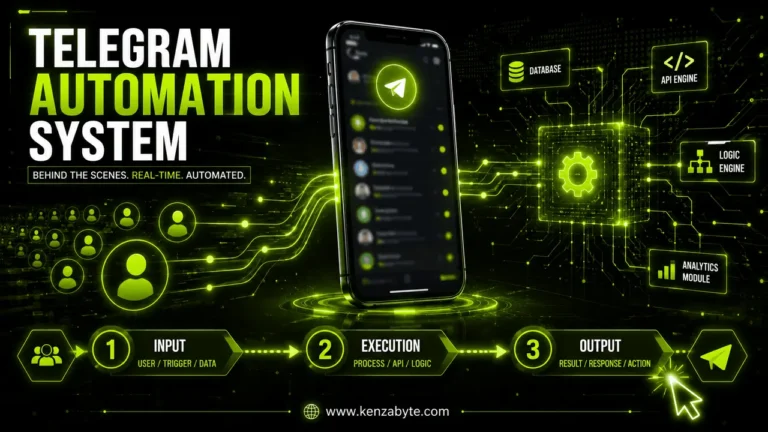
A Telegram bot is an automated program that exists entirely within Telegram. It interacts directly with users and performs specific tasks without manual intervention. Bots are designed to simplify communication, handle repetitive tasks, and respond to commands from users.
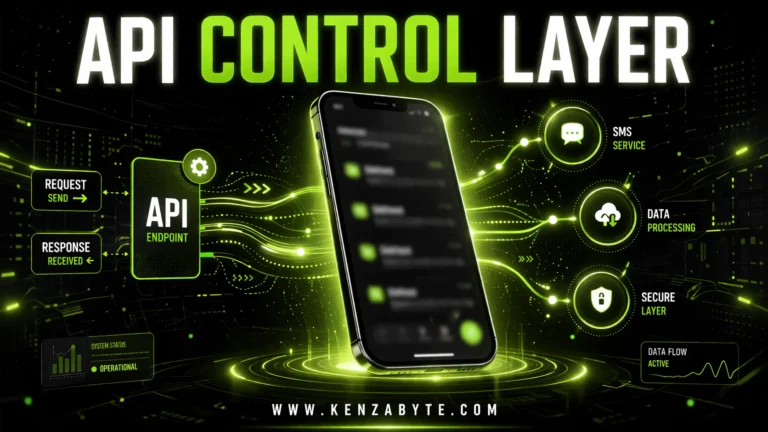
Telegram bots are developed using programming languages such as Python, Node.js, or Java. They leverage Telegram’s Bot API to receive updates, respond to commands, and execute automated workflows. Bots can be hosted on cloud servers, virtual private servers (VPS), or even on local machines, depending on the scale of deployment and the complexity of tasks. They can use real-time webhooks for instant responses or polling methods for periodic updates.
Key features of Telegram bots include:
- Direct interaction with users inside Telegram chats or groups.
- Automation of repetitive tasks such as notifications, updates, and alerts.
- Integration with AI or natural language processing to respond intelligently to user queries.
- Ability to manage workflows like customer support, newsletter delivery, or transaction confirmations.
Examples of Telegram bots:
- A customer support bot that answers FAQs automatically.
- A newsletter bot that sends scheduled content to subscribers.
- An AI chatbot that provides intelligent responses to user queries.
Telegram bots are ideal for businesses that want to automate user engagement directly inside Telegram without requiring additional software.
Businesses exploring implementation can see how custom Telegram bot development solutions function in real-world scenarios
What is a Telegram Tool?
A Telegram tool is software or a utility designed to enhance Telegram’s functionality, but does not necessarily interact with users directly. Tools are often used for management, monitoring, analytics, messaging, scheduling, or moderation tasks. Unlike bots, tools usually run externally on devices such as Windows, macOS, Linux, or cloud servers.
Telegram is not just about user-facing interactions. Beyond bots, Telegram’s ecosystem allows businesses to deploy tools that manage, analyze, and optimize operations across multiple channels.
These tools work behind the scenes, providing scheduling capabilities, automation, analytics dashboards, and integration with other software systems, helping businesses streamline operations efficiently.
Key features of Telegram tools include:
- Managing and monitoring groups, channels, and campaigns.
- Automating administrative tasks such as moderation or messaging.
- Tracking analytics and engagement metrics.
- Scheduling messages and posts in advance.
Examples of Telegram tools:
- An analytics dashboard showing engagement and message performance.
- message sender schedulers for marketing campaigns.
- Moderation tools that detect spam or inappropriate content automatically.
Telegram tools are ideal for businesses that require control, analytics, and operational efficiency beyond what bots offer.
Businesses exploring their use can see how Custom Telegram Tool solutions function in real-world scenarios.
Key Differences Between Telegram Bots and Tools
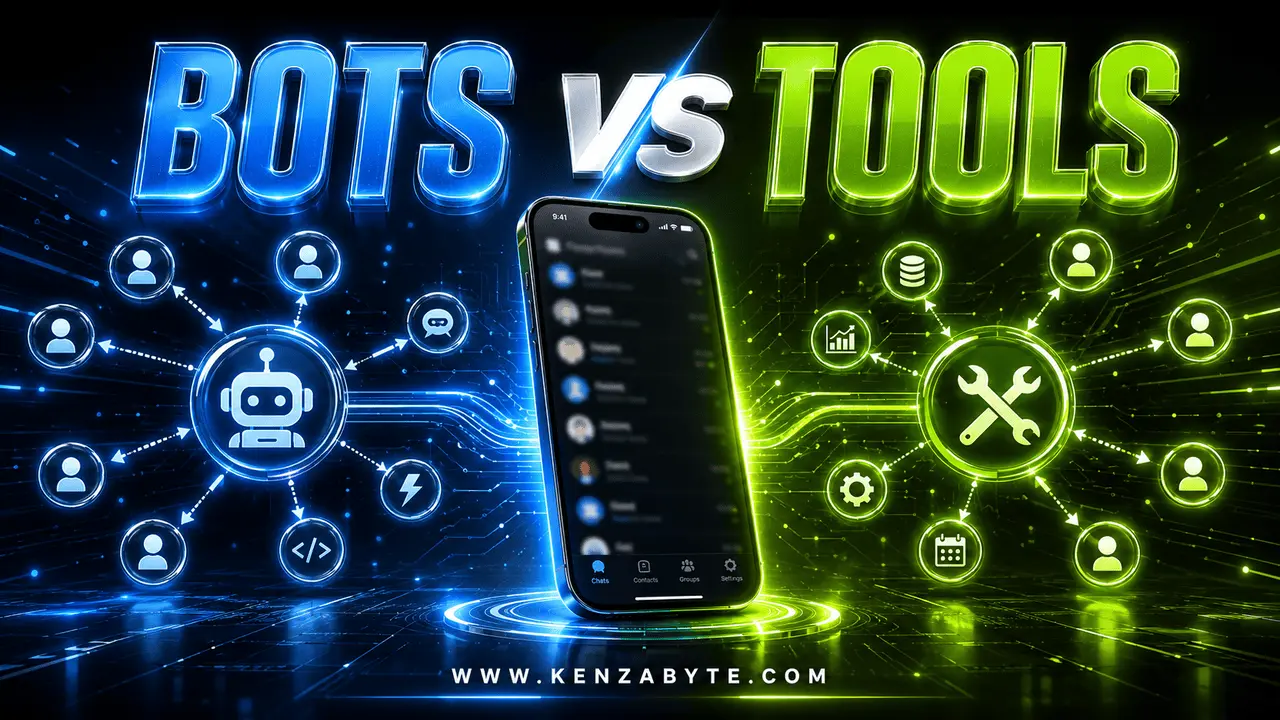
While bots and tools are both essential for business automation on Telegram, they differ in several key ways:
| Feature | Telegram Bots | Telegram Tools |
|---|---|---|
| User Interaction | Interacts directly with users in Telegram chats | Operates in the background, managed by administrators |
| Purpose | Automates communication, notifications, and workflows | Extends Telegram functionality with analytics, scheduling, moderation, and bulk operations |
| Deployment | Runs entirely inside Telegram, no additional software required | Runs externally on Windows, macOS, Linux, or servers |
| Examples | Customer support bots, newsletter bots, AI chatbots | Analytics dashboards, bulk messaging platforms, scheduling tools |
How Businesses Can Decide Which to Use
Choosing between a bot and a tool depends on your business objectives:
- Use a Telegram bot if your goal is direct user engagement, automated messaging, or intelligent interactions inside Telegram.
- Use a Telegram tool if your goal is analytics, scheduling, bulk messaging, moderation, or operational control outside of Telegram chats.
Businesses should also consider security and privacy practices. Bots operate within Telegram’s encrypted environment, which inherently protects user communications. Tools, on the other hand, must ensure secure handling of exported data, access controls, and encrypted connections when operating externally. Following best practices reduces risks and ensures compliance with data protection regulations.
Many businesses benefit from using both simultaneously: a bot to handle user-facing automation and a tool to manage backend operations. Tools require a proper operating environment, such as Windows, macOS, or servers, while bots run entirely within Telegram without additional installations.
Conclusion
Telegram bots and tools are both powerful solutions, but serve very different purposes. Bots excel at direct engagement, automation, and AI-driven interactions, while tools focus on management, analytics, and administrative efficiency. By understanding their unique roles, businesses can make informed decisions, streamline operations, and enhance their overall Telegram strategy.

Arabella Montrose
I have over 8 years of experience in content writing, specializing in Telegram automation, user-friendly tools, and social media marketing services. I work closely with the Kenza Byte team to ensure every article I write is accurate, clear, and genuinely helpful for users and businesses focused on digital growth.