
How to Scale Telegram Account Creation Using Hero SMS
This breakdown isolates the exact system used to create Telegram accounts at scale with consistency. It focuses on reducing failure points in number sourcing, verification, and session generation while keeping execution fast and repeatable. The structure below shows how to move from unstable manual processes to a controlled, scalable workflow.
Why Scaling Matters in 2026
Telegram has tightened its ecosystem significantly, making account creation far more restrictive than before. It is no longer a simple or repeatable task, and the Telegram API sign-up method cannot be relied on for scaling.
Multiple control layers, rate limits, IP monitoring, device fingerprinting, and SMS verification reliability. directly limit how many accounts can be created successfully. These restrictions make manual or unstructured approaches unstable as volume increases.
Manual creation breaks under three core pressures: time, cost, and consistency.
Each account requires a unique number, OTP handling, a controlled device environment, and proper session generation. As volume grows, failure rates increase due to delays, invalid numbers, and inconsistent execution.
This creates a system where bottlenecks appear quickly. OTP failures and low-quality or reused numbers increase the failure rate, forcing manual cancellation and rechecking on the provider site to avoid unnecessary cost.
A scalable approach resolves these issues by introducing structure. It standardizes execution, reduces dependency on manual steps, and ensures consistent, repeatable results across multiple account creation cycles.
The Hero SMS Website Advantage
Hero SMS Website operates as the core input layer of the system, such as number acquisition. The reliability of this layer determines the success rate of the entire pipeline.
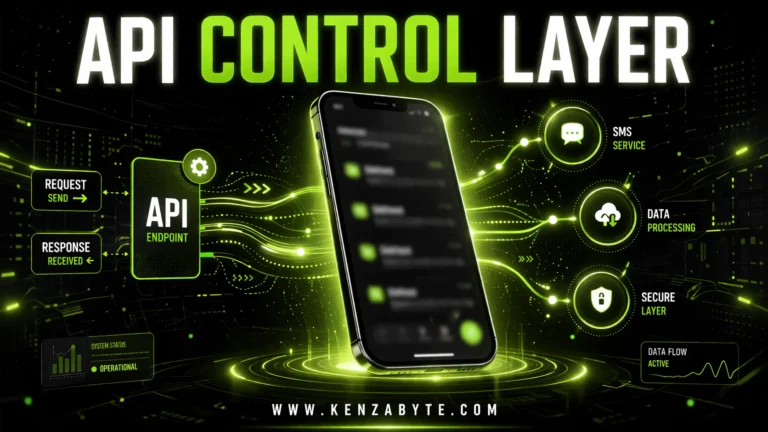
API-based integration removes manual dependency. Instead of sourcing numbers through dashboards or unreliable providers, the system pulls numbers dynamically, aligned with required parameters such as country, operator, or pricing tier.
Key advantages of Hero SMS :
- Consistent stock availability
- Lower pricing compared to common providers
- Reduced the probability of reused or pre-banned numbers
- Faster OTP delivery cycles
Most providers in the market suffer from stock shortages, inflated pricing, or degraded number quality. Numbers are often recycled excessively, leading to Telegram rejection or delayed verification.
Hero SMS avoids these systemic issues by maintaining supply continuity and offering better cost-to-success ratios. This directly impacts scalability, since fewer failures mean fewer retries and lower overall cost per successful account.
Building a Scalable System
Scaling is not a single mechanism but a layered architecture.
At the core sits a multi-instance execution environment. LDPlayer9 acts as the emulator layer, allowing multiple Android instances to run simultaneously. Each instance represents a separate device identity, reducing linkage risks between accounts.
Parallel execution ensures throughput. Instead of sequential account creation, multiple instances run in synchronized batches.
Each instance performs:
- Number acquisition
- Telegram registration
- OTP verification
- Account setup
- Session extraction
Proxy management becomes critical. Each emulator instance must operate under isolated network conditions. Without this, Telegram detects patterns across IPs and restricts registrations.
Detection avoidance depends on three factors:
- Unique device environments per instance
- Clean IP rotation via proxies
- Controlled execution timing to avoid burst patterns
The system is not optimized for speed alone but for sustained success rates under load.
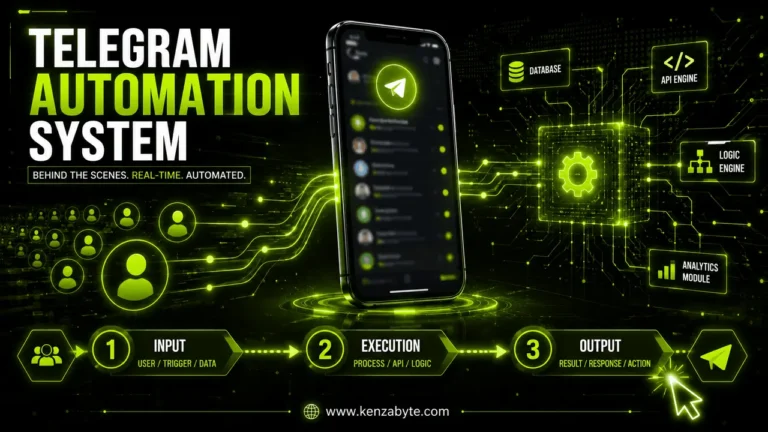
This structure operates as a Telegram account creation scaling system where number sourcing, execution environments, proxy isolation, and session generation are aligned as coordinated layers to maintain stability under increasing volume.
Core Features That Make Scaling Easy
A structured tool built around this workflow includes specific features that remove friction points.
1. Multi-instance execution
Handles simultaneous account creation across multiple emulator environments without manual switching.
2. Number selection control
Filters numbers by country, operator, or pricing to match target requirements and optimize success probability.
3. Smart validation layer
Checks number viability before committing to OTP requests, reducing wasted attempts.
4. Automated email verification
Completes secondary verification steps when required, maintaining continuity in the flow.
5. Session conversion (Pyrogram / Telethon)
Automatically converts registered accounts into session formats compatible with automation frameworks. This removes the need for manual session extraction.
6. Retry system
Handles failed OTPs, expired numbers, or Telegram rejections by reattempting with new inputs without breaking the workflow.
7. Updated compatibility (2026)
Aligns with current Telegram restrictions, emulator detection patterns, and SMS provider behavior.
Each feature removes a specific bottleneck. Combined, they produce a system capable of sustaining high-volume operations without degradation.
Step-by-Step Scaling Workflow
The workflow follows a deterministic structure.
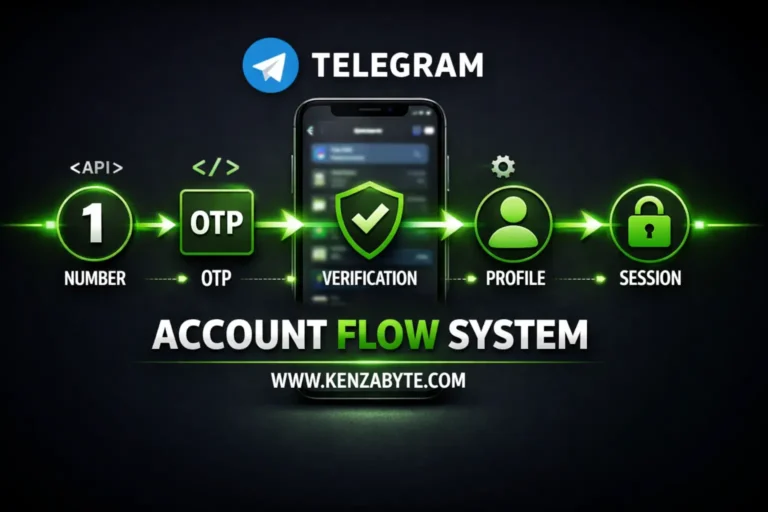
1. Connecting Hero SMS API
The API is integrated into the tool, allowing automatic retrieval of numbers. Parameters define the type of number requested, ensuring alignment with the intended usage.
2. Launching multiple LDPlayer instances
Pre-configured emulator instances are initialized. Each instance operates independently with its own environment and proxy.
3. Automated Telegram registration
The tool inputs the number into Telegram, requests OTP, and listens for the code through the Hero SMS API.
4. OTP handling and verification
Once received, the OTP is injected into the emulator instance. Timing is critical; delays reduce success probability.
5. Account setup phase
Basic identity parameters such as name and optional credentials are configured automatically.
6. Session conversion
The account is immediately converted into a usable session format compatible with Pyrogram or Telethon-based systems.
7. Completion cycle
The system logs the session output and moves to the next execution cycle.
Under optimal conditions, the entire process completes in approximately two minutes per account, assuming OTP delivery is immediate.
Requirements to Build This System
Building and maintaining this system requires:
- Advanced programming knowledge for automation and API integration
- Significant practical experience in automation workflows
- Deep understanding of Telegram registration, OTP flow, and sessions
- Knowledge of emulators, proxies, and IP management
- A powerful system to run multiple instances smoothly
- Ability to handle OTP failures, bad numbers, and bans
- Strong troubleshooting and error-handling skills
- Continuous monitoring and performance tracking
- Regular updates to match Telegram changes
These requirements make the system complex to build and maintain without prior experience.
Managing this workflow involves coordinating multiple layers, including input sourcing, execution environments, network isolation, and timing control. Each layer must remain consistent to avoid instability.
In structured implementations, these components are typically integrated into a single Telegram account creation system that standardizes execution and reduces variability across account creation cycles
Optimizing for Maximum Efficiency
Efficiency is not defined by speed alone but by output stability and cost control.
1. Smart retry handling reduces loss from failed OTP attempts. Instead of discarding failed cycles entirely, the system reuses execution paths intelligently.
2. Cost optimization comes from selecting the right number sources. Lower-priced numbers with high success rates outperform expensive providers with unreliable delivery.
3. Execution pacing prevents Telegram from triggering anti-abuse mechanisms. High-speed bursts increase failure rates, while controlled concurrency maintains stability.
4. Resource allocation ensures emulator instances do not overload system hardware, which would otherwise introduce lag and reduce OTP handling precision.
Efficiency emerges from a balance between speed, reliability, and cost per account.
Best Practices & Advanced Tips
Long-term stability depends on adaptability. Telegram continuously updates its detection systems, which makes fixed or outdated workflows ineffective over time. Sustaining performance requires ongoing adjustments rather than a one-time setup.
Focus on these core practices:
1. Track success rates consistently
Monitor verification results. A drop usually signals issues with number quality, proxy reliability, or emulator fingerprinting.
2. Control account behavior
Avoid immediate heavy usage after creation. Gradual activity reduces the risk of flags and bans.
3. Maintain system hygiene
Keep emulators, API logic, and proxy sources updated to stay aligned with current restrictions.
4. Use segmented execution
Run smaller batches instead of a single large process to limit the impact of failures.
5. Adapt to changes quickly
Identify shifts in success patterns early and adjust inputs, timing, or infrastructure accordingly.
This approach keeps the system stable, efficient, and resistant to changes over time.
Conclusion
Scaling Telegram account creation requires a structured, automated pipeline. Manual methods cannot sustain volume, consistency, or cost efficiency.
Using Hero SMS for number sourcing helps maintain reliable OTP verification. When combined with multi-instance emulation, automation, and session generation, the system delivers consistent and repeatable results at scale.
Building and maintaining this setup from scratch takes time, technical knowledge, and continuous adjustments. It involves managing multiple components together while adapting to changing conditions.
Compared to generic tools or manual approaches, this method improves cost control, increases success rates, and enables stable scaling.
A complete breakdown of each component and configuration is covered across separate detailed guides, each focusing on a specific part of the system. When combined, they form a comprehensive structure that supports the entire workflow end-to-end.

Arabella Montrose
I have over 8 years of experience in content writing, specializing in Telegram automation, user-friendly tools, and social media marketing services. I work closely with the Kenza Byte team to ensure every article I write is accurate, clear, and genuinely helpful for users and businesses focused on digital growth.