
Telegram Account Creation System Architecture Layers
A structured breakdown of a scalable Telegram account creation system. This article explains the input layer, execution layer, and output layer, and how controlled data flow between these layers maintains consistent results as volume increases.
What a Scalable Account Creation System Actually Looks Like
A scalable account creation system is not a single script or isolated tool.
It is a structured architecture composed of multiple layers working together under defined roles.
Each layer is responsible for a specific function:
- input handling
- execution control
- output generation
These roles are not interchangeable. When responsibilities overlap, the system loses consistency and becomes difficult to control.
At small scale, this separation may not appear necessary. A single process can complete without visible issues. As volume increases, the lack of structure introduces instability. Execution becomes inconsistent, failures increase, and outputs become unreliable.
A scalable system avoids this by enforcing separation between components. Each layer operates independently while remaining connected through a defined flow of data.
What Defines a Scalable System
A scalable system maintains stable performance under increased load. The goal is not maximum speed, but consistent output across repeated cycles.
Core characteristics include:
- consistent results across multiple executions
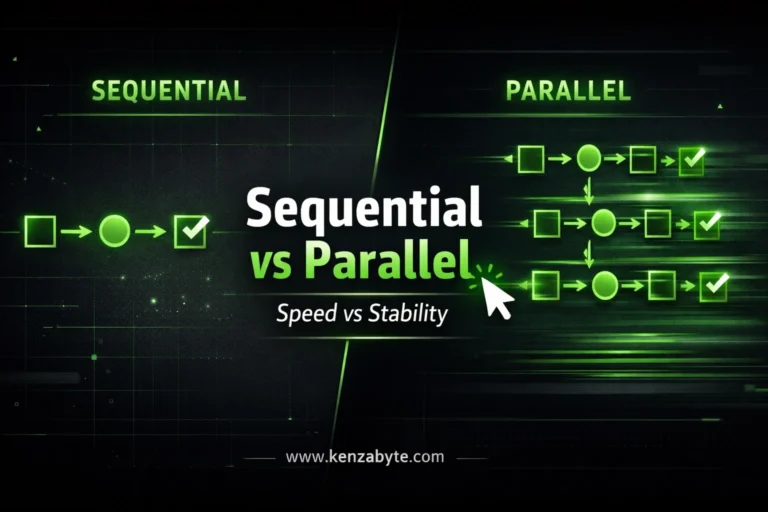
- ability to run parallel processes without interference
- controlled handling of failures without stopping the system
The system is designed for repeatability. Each cycle follows the same structure, producing predictable outcomes.
Scaling is achieved by maintaining this structure as volume increases. Without structure, increasing attempts leads to higher failure rates rather than higher output.
1. Input Layer (Numbers and APIs)
The input layer is responsible for supplying valid data into the system. It defines the starting condition of every execution cycle.
Typical components include:
- phone number sources
- API-based retrieval mechanisms
- filtering logic based on country, operator, or cost
The primary function of this layer is validation. Only inputs that meet defined conditions are passed forward.
This layer directly affects system continuity. If inputs are inconsistent, execution cannot proceed reliably. Delays, invalid data, or low-quality sources introduce immediate failure conditions.
The number of possible attempts is also controlled here. A stable input layer allows continuous operation, while unstable input forces repeated interruptions.
2. Execution Layer (Instances and Processing)
The execution layer performs the account creation process. It is responsible for processing inputs in a controlled and repeatable manner.
This layer includes:
- multiple emulator or device instances
- parallel execution capability
- defined workflow per instance
Each instance operates as an independent environment. This isolation ensures that one process does not affect another.
However, independence depends on how each environment is perceived. Similar instances can behave as a single identity, which limits scaling. This is explained in Why Multi-Instance Environments Are Required for Scaling.
Parallel execution increases throughput, but only when isolation is maintained. Shared environments or overlapping processes introduce conflicts and reduce success rates.
The execution layer determines how many operations can run simultaneously. It defines system capacity in terms of active processing.
Consistency in execution is critical. Each instance must follow the same structured workflow without variation that introduces instability.
3. Output Layer (Sessions and Data Storage)
The output layer captures and organizes results from execution. It converts completed processes into usable data.
Key components include:
- session generation in structured formats
- storage of account-related data
- logging and tracking mechanisms
This layer ensures that successful outputs are preserved and accessible. It also records failed attempts, allowing visibility into system performance.
Without proper output handling, successful executions lose value. Data may become inconsistent, incomplete, or unusable.
A structured output layer allows the system to maintain a record of activity. This supports analysis, tracking, and reuse of results without reprocessing.
Data Flow Between Layers
A scalable system depends on controlled and directional data flow. Each layer passes data forward in a defined sequence.
The flow follows a consistent pattern:
- the input layer provides validated data
- the execution layer processes that data
- the output layer stores the result
There is no overlap between these stages. Each layer completes its role before passing control to the next.
This controlled flow forms a Telegram account creation execution pipeline where input validation, processing logic, and session generation are linked through strict state transitions across system layers.
Failure handling is integrated into this flow:
- Invalid inputs are rejected and replaced
- execution failures are retried using new inputs
- Results are recorded regardless of outcome
This creates a continuous loop rather than isolated attempts. The system operates as an ongoing process instead of a sequence of disconnected actions.
Why Layering Is Required?
Layering prevents interference between different parts of the system. It ensures that each function remains controlled and predictable.
Without layering:
- Input issues affect execution stability
- execution errors corrupt output data
- failures cannot be isolated or traced
With layering:
- each component operates independently
- errors are contained within a specific layer
- system behavior remains consistent under load
Layering also simplifies system maintenance. Changes can be applied to one layer without affecting the entire structure.
As the system grows, this separation allows controlled expansion without introducing instability.
System Structure Overview
The system is defined by the interaction between its layers.
- the input layer controls availability of valid data
- the execution layer controls processing capacity
- the output layer controls usability of results
Each layer contributes to overall system performance. None of them can compensate for weaknesses in another.
Stability depends on maintaining clear boundaries between these layers. When these boundaries are preserved, the system remains predictable and scalable.
Conclusion
A scalable Telegram account creation system is built on three core layers:
- a controlled input layer for reliable data supply
- an isolated execution layer for parallel processing
- a structured output layer for storing and managing results
These layers are connected through clean data flow and fixed responsibilities.
Scalability is achieved when each layer operates independently while remaining part of a coordinated system. This structure allows consistent output, controlled execution, and reliable handling of failures as volume increases.

Arabella Montrose
I have over 8 years of experience in content writing, specializing in Telegram automation, user-friendly tools, and social media marketing services. I work closely with the Kenza Byte team to ensure every article I write is accurate, clear, and genuinely helpful for users and businesses focused on digital growth.